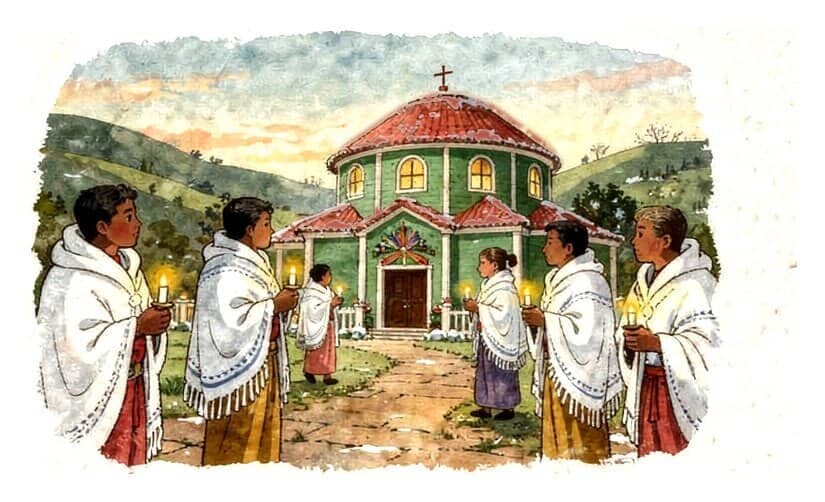
Genna on January 7: a long fast, a night of prayer in white, the rock churches of Lalibela, doro wat and the genna game. And Melkam Genna, good Christmas.
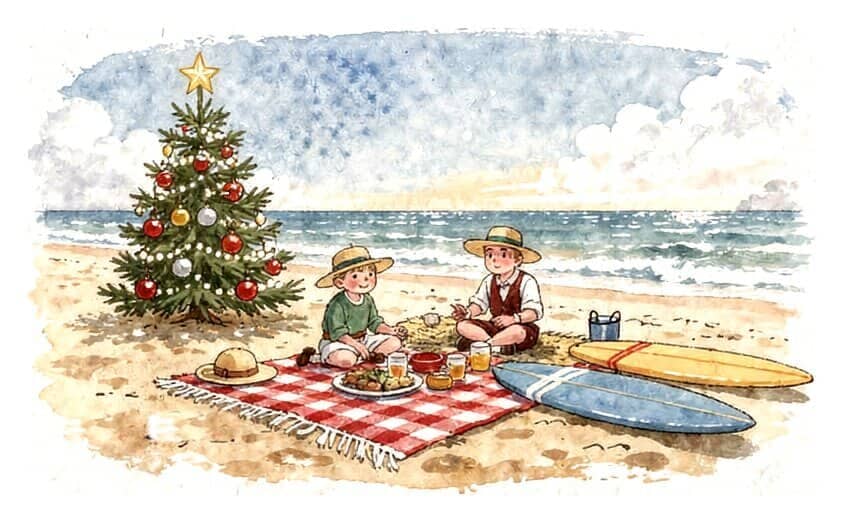
Christmas in summer: the beach, a cold meal and pavlova, Carols by Candlelight, Boxing Day cricket and the Hobart yacht race, Christmas bush and beetles.
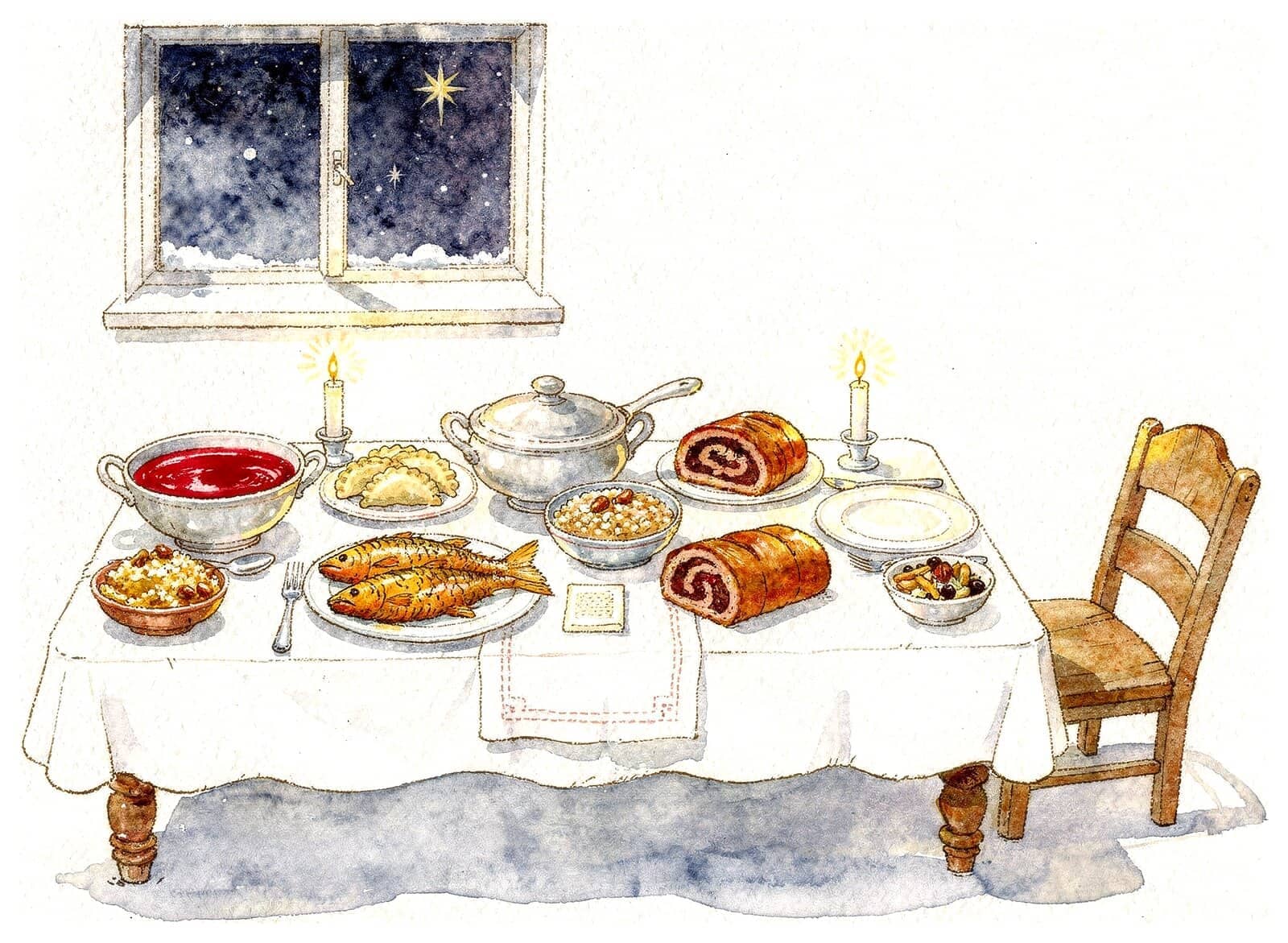
Wigilia on Christmas Eve: the first star, the opłatek wafer, the empty place, the traditional twelve meatless dishes, midnight Mass. How to say Wesołych Świąt.
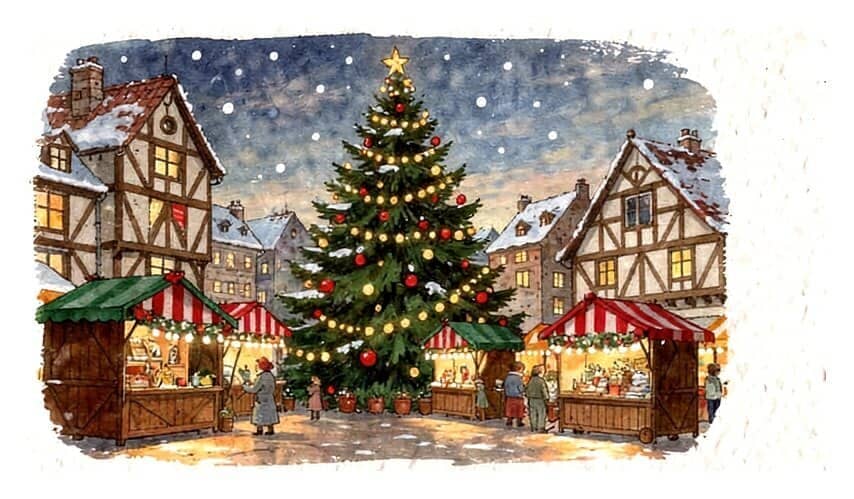
Santa on Christmas Eve, the tree of Pennsylvania’s German families, the 1823 poem, Jingle Bells, NORAD, New Mexico’s farolitos and the National Christmas Tree.
Christmas is the Christian feast of Jesus’ birth. What it may owe to Rome’s midwinter festivals, what it doesn’t, and what historians still argue about.
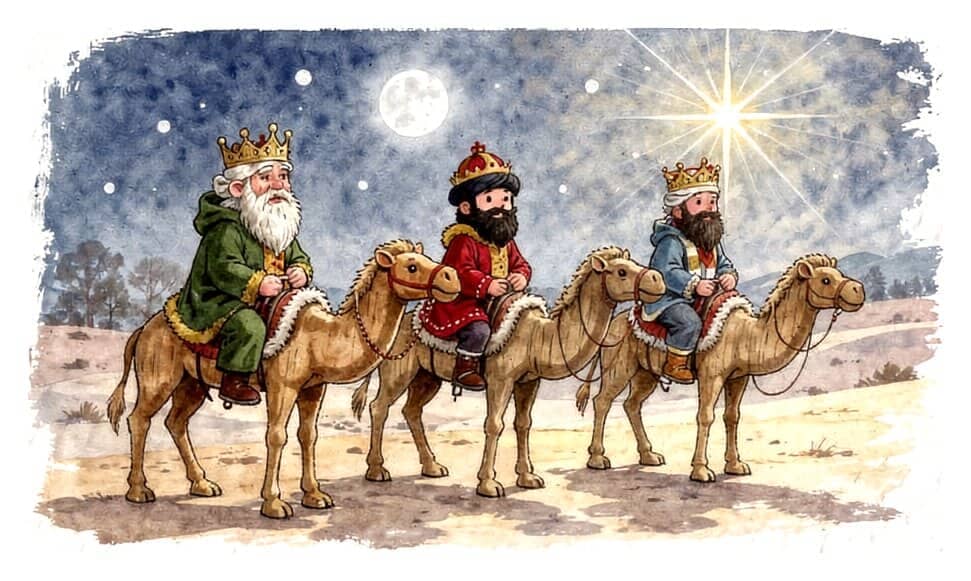
The story of the first Christmas, from the Gospels of Matthew and Luke, told simply to read aloud at bedtime: Mary and Joseph, the shepherds, the wise men.
A Christmas tale from Ukraine: a spider spins its web over a poor family’s tree, and by morning it glitters. The story, and the spider ornaments it goes with.
Iceland’s Yule Cat comes for anyone with nothing new to wear on Christmas Eve. The tale, Grýla, her thirteen Yule Lads, and when each first turns up in writing.
Christmas means Christ’s Mass, from Old English Cristes mæsse, in use by the early 1000s. Where the word comes from, and what other languages call the day.
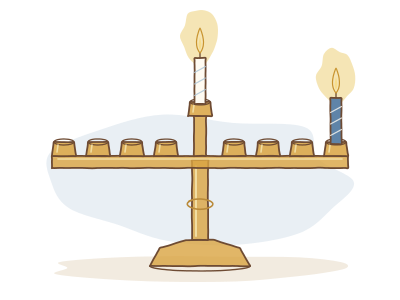
The Jewish festival of lights: eight nights recalling the rededication of the Temple in Jerusalem about 164 BC. Its story, and why it isn’t Jewish Christmas.
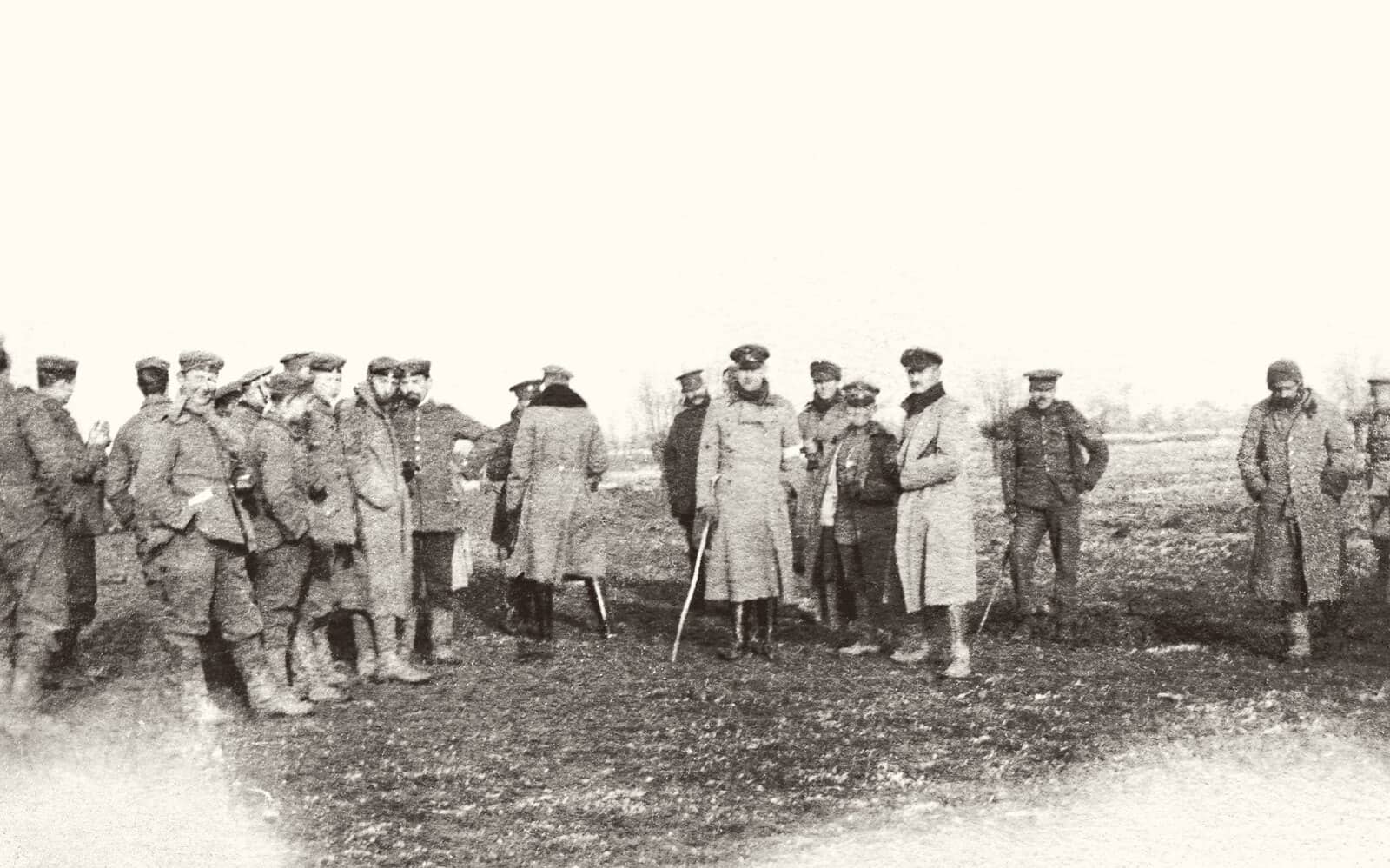
At Christmas 1914, soldiers on many parts of the Western Front stopped fighting on their own, sang carols and met between the trenches. And the football?
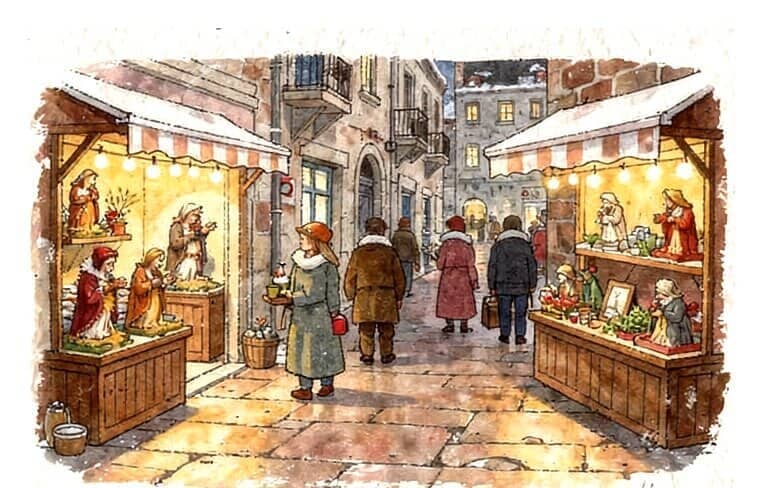
The one often called the first: Saint Francis of Assisi’s, at Greccio in Italy, Christmas 1223. And the nativity scenes of Naples, Provence, Catalonia, Kraków.
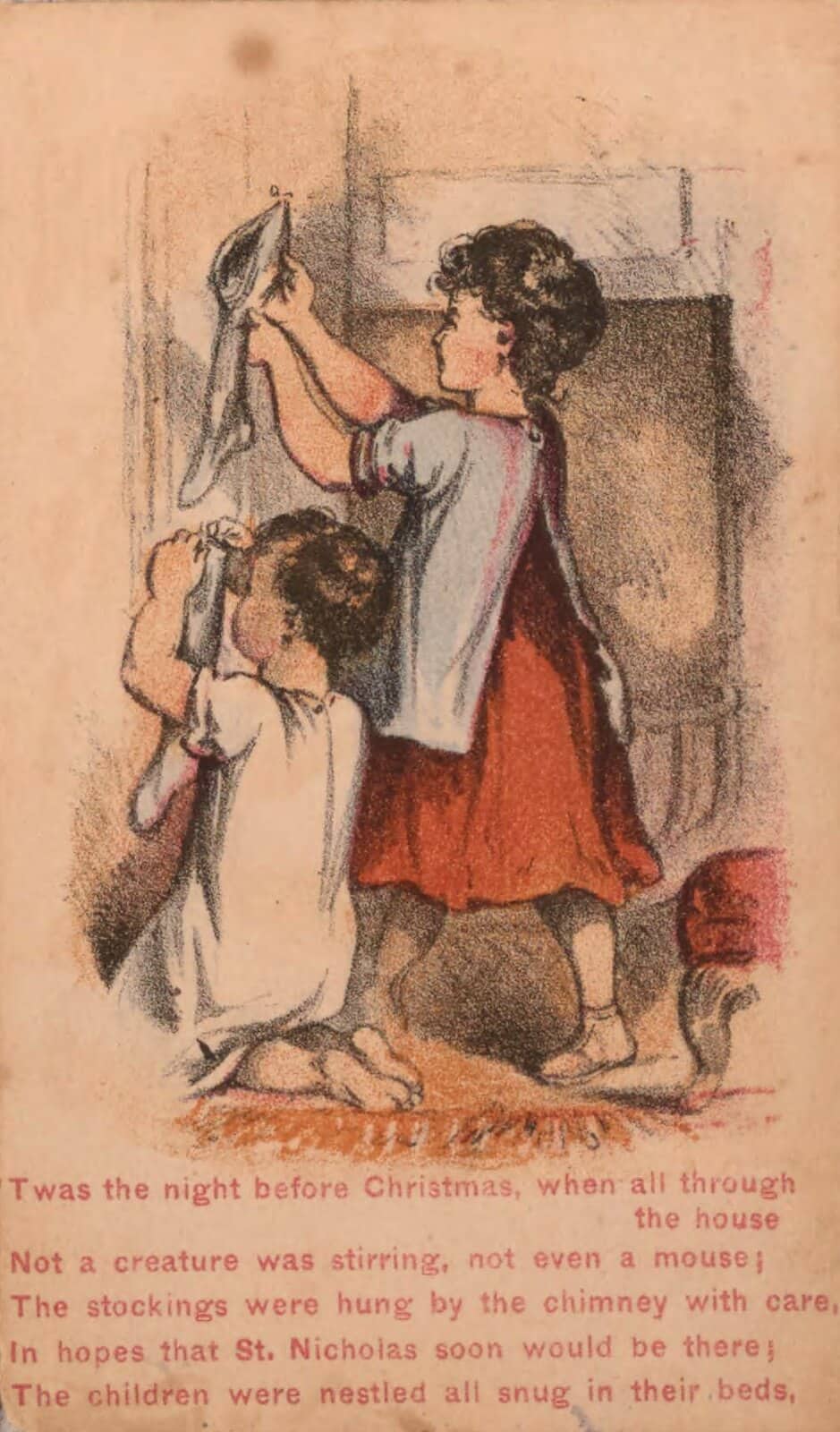
First printed with no name in 1823, the poem is usually credited to Clement Clarke Moore. The case for another author, and the whole poem to read aloud.
James Lord Pierpont wrote it; it was first printed in Boston in 1857 as “The One Horse Open Sleigh”. The Thanksgiving story, and the words as first printed.
Joseph Mohr wrote the words in 1816 and Franz Xaver Gruber the tune; it was first sung on Christmas Eve 1818 in Oberndorf, Austria. Its story and words.
In Poland, Germany and Sweden, Christmas Eve is the big night: the supper, the presents, the family. In the Catholic calendar, Christmas begins that evening.
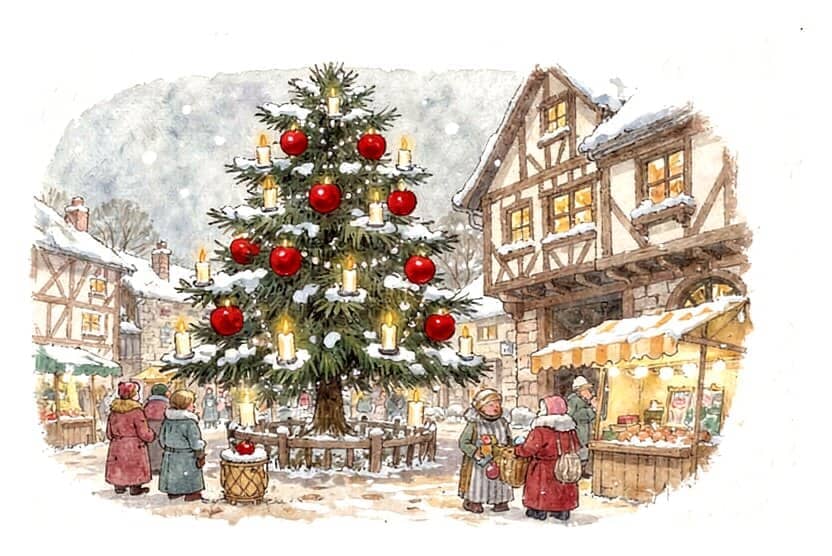
Nobody knows who decorated the first one. A Strasbourg tree of the early 1600s wore paper roses, apples and wafers; royal pictures later carried the custom far.
Nobody knows the day Jesus was born. The oldest record we have of Christmas on December 25, from Rome, and the two explanations historians still argue over.
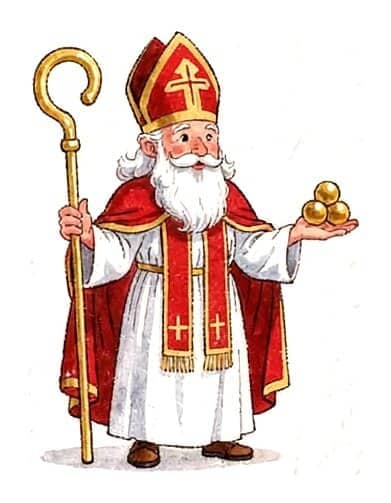
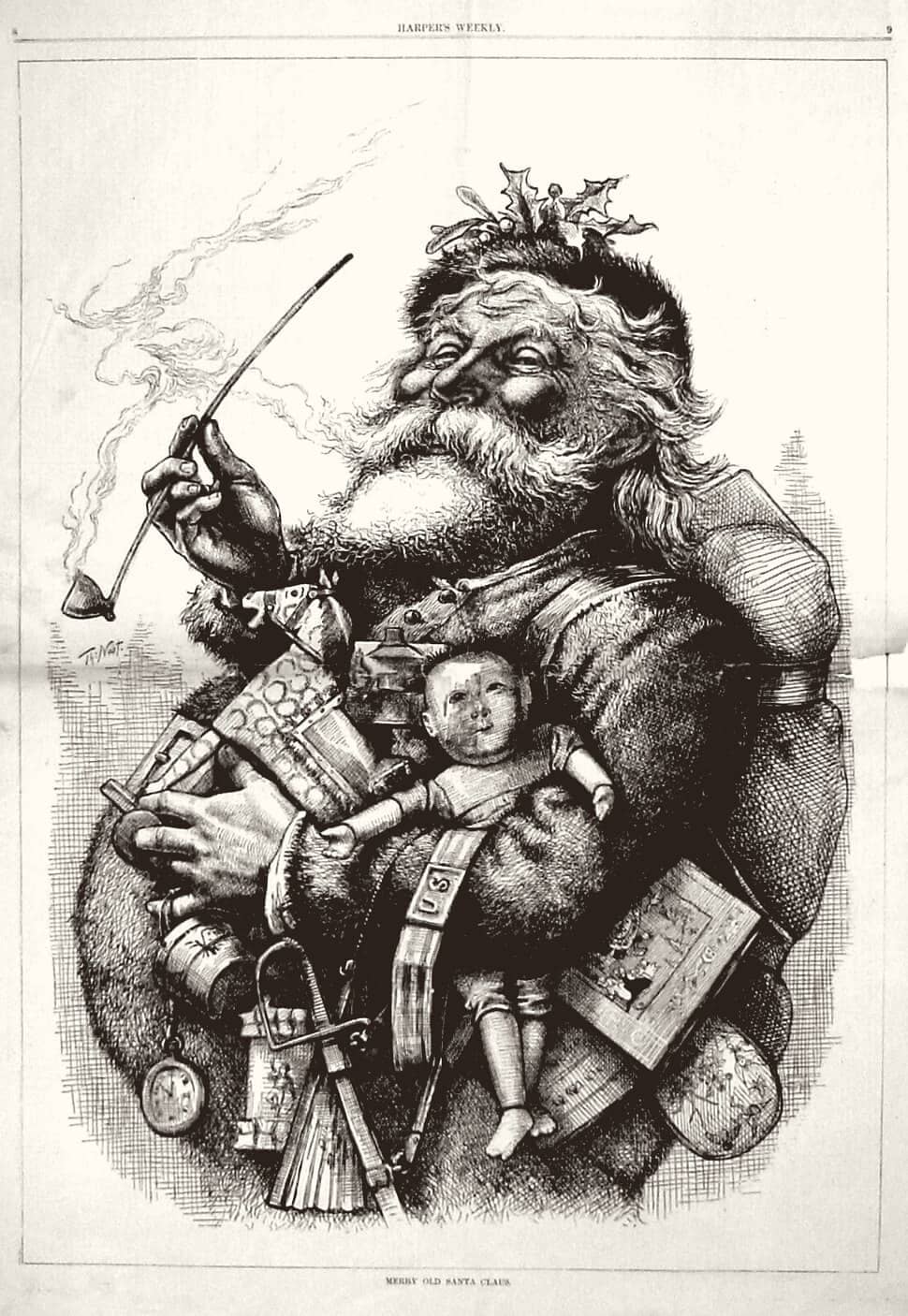
How New Yorkers of the 1800s came to picture Saint Nicholas as Santa Claus, with a name probably from the Dutch, a sleigh, eight reindeer and a bundle of toys.
Who brings the presents, and when: the Christkind, Babbo Natale and La Befana, Sinterklaas, Joulupukki, the Three Kings, Święty Mikołaj and Santa Claus.
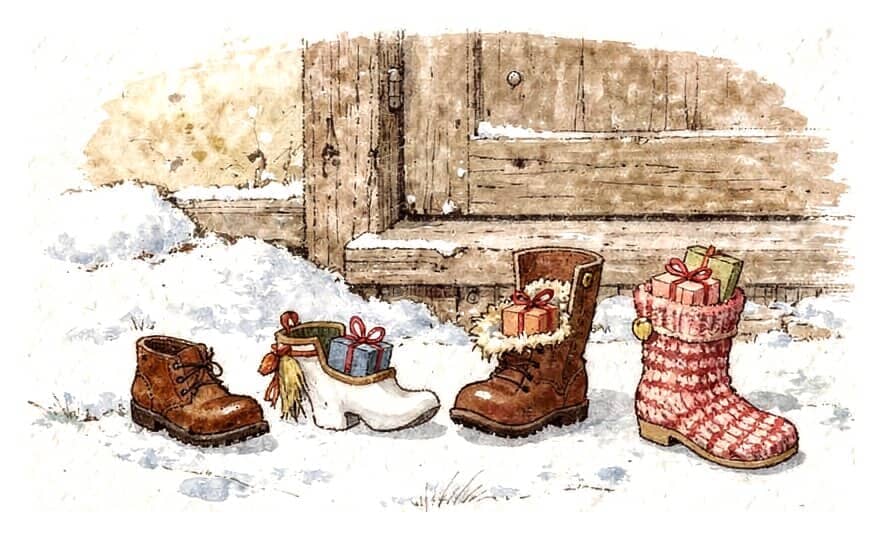
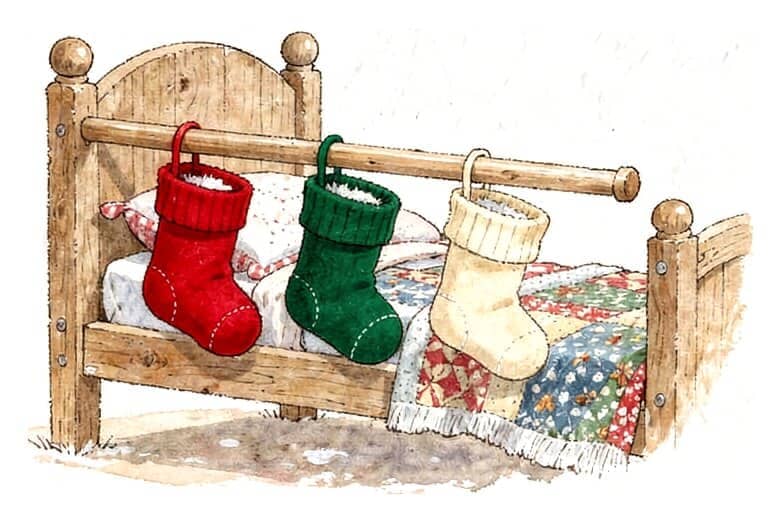
We have found no record of when it began. A New York book of 1809 has a stocking hung on Saint Nicholas’s day; an old story about him is told to explain it.


 True storyReads aloud in 6 minutes
 As the Bible tells itReads aloud in 4 minutes
 A tale people tellReads aloud in 6 minutes
 Christmas magicReads aloud in 7 minutes